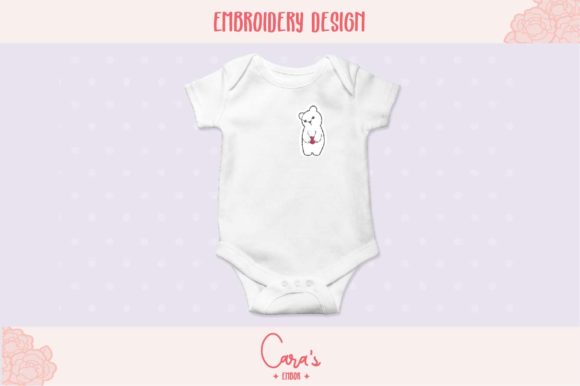
Bear with Hear Applique: A Designer’s Review
As an embroidery designer who spends countless hours digitizing and testing files, I have learned that not all designs are created equal. When browsing Creative Fabrica embroidery collections, I look for more than just cute aesthetics; I look for technical reliability, stitch efficiency, and commercial viability. Recently, I came across the Bear with Hear Aplique design, categorized under Valentine S Day themes. After reviewing its specifications and considering its potential for real-world application, I wanted to share an honest evaluation of how this file performs in a professional setting.
First Impressions and Visual Appeal
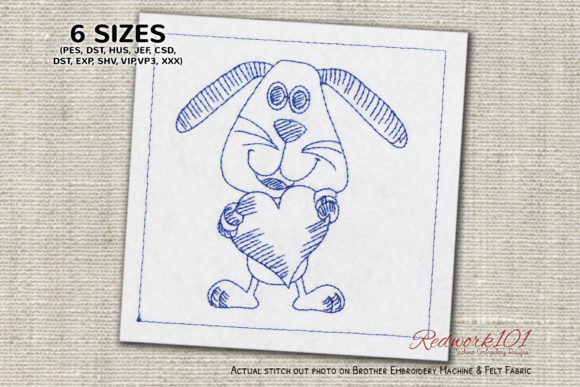
The immediate draw of the Bear with Hear Aplique is its charming, hand-drawn aesthetic. Unlike overly complex digital renders, this design relies on clean lines and effective use of negative space, which is crucial for successful applique work. The visual mood is warm and inviting, making it a natural fit for seasonal gifts beyond just February. While it is tagged for Valentine S Day, the imagery of a bear holding a heart translates beautifully to anniversaries, baby showers, or general expressions of love.
From a technical standpoint, the design appears to balance decorative appeal with practicality. Applique designs are often preferred by professionals because they reduce stitch count while maximizing visual impact. This particular file seems to utilize a combination of placement stitches, tack-down stitches, and a finishing border, likely using a satin stitch or a dense fill stitch depending on the specific version provided. This structure suggests that the final finished product will lay flat and feel soft against the skin, a critical factor for baby items and apparel.
Real-World Application for Small Businesses
For Etsy sellers and boutique owners, versatility is key. I evaluated how this machine embroidery design would perform across various popular products. Here is where I see the most potential:
- Custom Apparel: The design scales well for left-chest placement on sweatshirts or t-shirts. It adds a personalized touch without overwhelming the garment.
- Tote Bag Design: Canvas materials hold applique shapes firmly. This design would make an excellent focal point for reusable market bags, appealing to eco-conscious buyers.
- Baby Items: Because applique reduces bulk, this is ideal for baby blankets or onesies. However, extra care must be taken with stabilizer choice to prevent puckering on delicate knits.
- Embroidered Patch: By stitching on tear-away stabilizer and cutting closely around the border, you can create iron-on patches. This expands your product line without needing new digitizing work.
Using a digital embroidery file like this allows for rapid prototyping. You can create a printable mockup to test marketing angles before committing to physical inventory. This efficiency is vital for creative entrepreneurs managing multiple seasonal releases.
Technical Considerations and Stitching Performance
While the design description notes that it has been tested to ensure top quality, every embroiderer knows that results vary depending on fabric and stabilizer. Here are the practical aspects I considered when planning my test runs:
Fabric Compatibility: Applique designs require precise cutting of the fabric piece. On stretchy fabrics like jersey or fleece, I recommend using a cut-away stabilizer to maintain shape integrity. For woven fabrics like linen or cotton twill, a tear-away stabilizer may suffice, but always test first. The contrast between the applique fabric and the base fabric is essential; ensure your thread colors complement both layers to avoid visual clutter.
Hoop Size and Placement: Before purchasing, check the available hoop sizes for this embroidery file. If you are working with small hoops, such as 4x4 inches, verify that the design fits without requiring excessive re-hooping, which can lead to misalignment. For larger items like pillow covers or aprons, ensure the design scales proportionally so the details do not become lost or too dense.
Stitch Density and Texture: One advantage of applique is lower stitch density compared to full-fill designs. This means less thread breakage and faster run times. However, inspect the tack-down stitches. If they are too sparse, the applique fabric may shift during the final trim. If they are too dense, they might perforate delicate fabrics. Always stitch a test sample on scrap fabric identical to your final material.
Enhancing Product Value and Brand Consistency
Incorporating high-quality assets like Bear with Hear Aplique into your lineup can significantly boost buyer trust. Customers associate clean, well-executed embroidery with premium quality. When the edges are crisp and the fabric lies flat, it reflects professionalism. This attention to detail enhances your brand consistency, whether you are selling at craft fairs or online.
Moreover, this design supports the creation of personalized gift options. You can easily add names or dates below the bear using a complementary font. This customization increases the perceived value of the item, allowing for higher price points. For commercial embroidery projects, consistent use of reliable design assets helps streamline production, reducing waste and rework.
Practical Tips for Best Results
To ensure success with this design, follow these steps before launching your product line:
- Check File Details: Confirm the included formats match your machine. Review the license terms on the Creative Fabrica product page to ensure commercial use is permitted for finished physical goods.
- Select Proper Stabilizer: Match the stabilizer to your fabric weight. Heavy denim needs different support than lightweight cotton.
- Test Thread Contrast: Use contrasting thread for the tack-down stitch if it helps visibility, but switch to matching thread for the final satin stitch border for a polished look.
- Inspect Small Details: After stitching, check the corners of the heart and the bear’s ears. Ensure no loose threads or untrimmed tails remain.
- Wash Testing: If creating items for frequent washing, such as kitchen towels or baby clothes, wash the test piece to check for fraying or shrinkage.
In conclusion, the Bear with Hear Aplique offers a solid foundation for various handmade products. Its adaptability across different textiles and its appeal to multiple demographics make it a valuable addition to any designer’s library. By paying attention to stabilizer choice and fabric preparation, you can transform this digital asset into a best-selling handmade product. Always remember to test stitch portions of the design on your specific materials, as recommended, to guarantee the highest quality for your customers.