Black Angus Head Sketch: A Designer’s Review
As an embroidery designer who spends countless hours digitizing and testing files, I have learned that not every machine embroidery design is created equal. Some are overly complex, requiring hours of trimming and perfect tension settings, while others offer a refreshing simplicity that translates beautifully onto fabric. Recently, I downloaded the Black Angus Head Sketch from Creative Fabrica to evaluate its potential for my upcoming spring collection. After putting it through its paces on various textiles, I am ready to share my honest assessment of how this file performs in real-world applications.
First Impressions and Visual Appeal
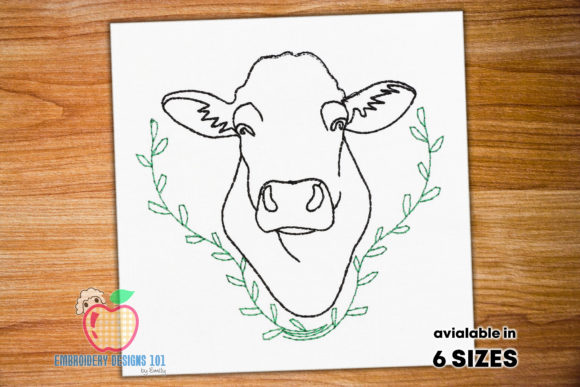
The first thing that caught my eye was the artistic approach. Unlike traditional, heavy-fill designs that can look stiff or plasticky on soft fabrics, the Black Angus Head Sketch utilizes a lighter, sketch-like aesthetic. This style is particularly appealing because it mimics the look of hand-drawn art, giving the finished piece a boutique, high-end feel. For those of us creating handmade products, this distinction is crucial. Customers are increasingly drawn to items that look artisanal rather than mass-produced.
The design falls squarely into the Farm Animals category, but its stylized execution allows it to transcend typical rural themes. It fits seamlessly into modern farmhouse decor, rustic nursery themes, and even contemporary casual wear. The visual mood is calm and grounded, making it a versatile asset for any creative entrepreneur looking to expand their catalog beyond seasonal trends.
Performance on Real Projects
To truly test the viability of this embroidery file, I stitched it out on several different items that represent common best-sellers for Etsy sellers and small business owners. Here is how it performed across various mediums:
- Tote Bag Design: On a heavy canvas tote, the sketch lines held up beautifully. The open nature of the design prevented the fabric from puckering, which is a common issue with dense fills on thick materials.
- Sweatshirt Embroidery: I tested it on a mid-weight cotton blend hoodie. Because the design is not 100% filled, it remained soft against the skin. This is a significant selling point for custom apparel, as customers often complain about scratchy, dense embroidery on garments.
- Kitchen Towels and Aprons: The quick-stitch nature of the file made it ideal for production runs. I was able to stitch multiple aprons in a short time frame, maintaining consistent quality without excessive thread breaks.
- Embroidered Patch: I stabilized a piece of twill heavily and stitched the design for a patch application. The clean lines translated well, though I recommend using a satin stitch border if you plan to cut them out individually to prevent fraying.
Technical Considerations for Stitchers
While the Black Angus Head Sketch is described as fun and easy to stitch, there are technical nuances that every embroiderer should consider before launching into a large batch order. The product description notes that these are not 100% filled, which implies a reliance on running stitches and sparse fill areas. This is generally a positive trait for speed and fabric drape, but it requires attention to detail.
Stabilizer Choice is Critical
Because the design lacks heavy density, it does not provide its own structural support. If you are stitching on stretchy fabric like jersey knits for t-shirts, a cut-away stabilizer is non-negotiable. For woven fabrics like linen or cotton, a tear-away may suffice, but I always recommend testing on scrap fabric first. Without proper stabilization, the sketch lines can distort, losing that crisp, artistic look.
Thread Color Contrast
The success of a sketch-style design relies heavily on contrast. On dark fabrics, ensure you use a high-contrast thread color so the details do not get lost. I found that metallic threads added a lovely subtle shine to the outline, elevating the perceived value of the finished product. However, always check your tension when using specialty threads to avoid looping.
Hoop Size and Scaling
The design comes in multiple sizes, which is a fantastic feature for versatility. However, be cautious when scaling down too small. Tiny details in the sketch may merge or become indistinct if the hoop size is too small for the complexity of the line work. Always preview the design in your software to ensure the smallest elements remain visible at your chosen scale.
Commercial Viability and Branding
For digital product sellers and commercial embroiderers, the Black Angus Head Sketch offers strong potential. Its broad appeal means it can be marketed to various niches simultaneously. You can position it as a charming gift for cattle ranchers, a stylish element for nursery decor, or a trendy graphic for casual fashion. This versatility helps in creating a cohesive brand identity while diversifying your product line.
When creating printable mockups or listing images for your online shop, this design photographs exceptionally well. The lack of heavy sheen from dense satin stitches reduces glare in photos, resulting in cleaner, more professional-looking images. This can significantly boost customer engagement and trust, as buyers can clearly see the texture and quality of the stitching.
Practical Tips for Best Results
- Test Before Selling: Never skip the test stitch. Run the design on the exact fabric type you intend to sell. Check for pull-outs or distortion.
- Review File Details: Before purchasing, confirm the available formats match your machine. While Creative Fabrica usually provides a wide range, double-checking saves time later.
- Licensing Compliance: Ensure you understand the license terms provided on the product page. Most Creative Fabrica licenses allow for physical sales of finished items, but always verify current terms to protect your business.
- Inspect Small Details: After stitching, inspect the head and facial features closely. If any jumps or loose threads are present, trim them carefully to maintain a polished look.
Final Verdict
The Black Angus Head Sketch is a solid addition to any embroidery designer’s library. It balances aesthetic appeal with practical stitch efficiency, making it suitable for both hobbyists and commercial producers. Its lightweight structure makes it ideal for garments and home goods where comfort and drape are priorities. While it requires careful attention to stabilization and thread choice, the results are well worth the effort. For those looking to add a touch of rustic elegance to their commercial embroidery offerings, this design is a trustworthy and versatile choice.