Elephant Bean Stitch: A Designer’s Review for Boutique Apparel
As an embroidery designer who spends countless hours digitizing and testing designs for boutique apparel, I approach every new machine embroidery design with a critical eye. It is not just about whether the image looks cute on a screen; it is about how it translates to fabric, how it wears over time, and how it elevates the perceived value of the garment. Recently, I explored the Elephant Bean Stitch from Creative Fabrica, and it immediately caught my attention for its potential in creating high-quality, custom apparel collections.
This review is written from the perspective of preparing a small sweatshirt or hoodie collection for an online shop. If you are an Etsy seller, a small clothing brand owner, or a creative entrepreneur looking to expand your commercial embroidery offerings, understanding the nuances of this design is essential before you hit "export" on your next batch of orders.
Visual Personality and Stitching Mood
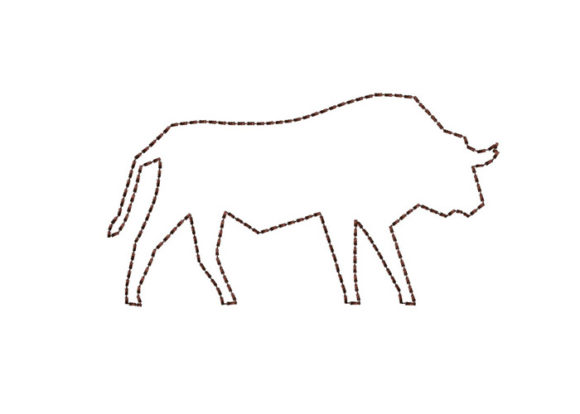
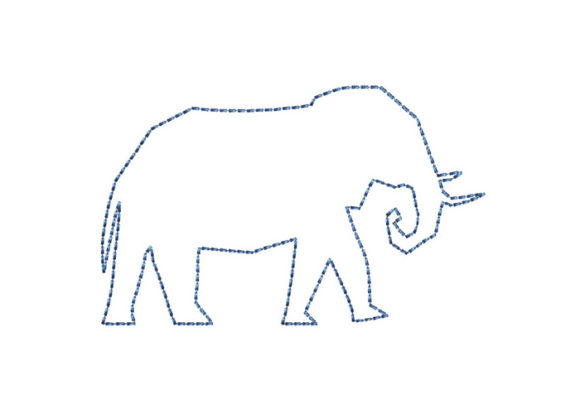
The first impression of the Elephant Bean Stitch is one of playful sophistication. Unlike standard satin stitch designs that can sometimes feel rigid or overly dense, the bean stitch technique offers a textured, hand-drawn aesthetic. This gives the design a rustic yet trendy vibe, making it versatile enough for both children’s wear and adult lifestyle products. The visual personality is bold without being aggressive, striking a balance between cute and classic.
For boutique brands, this distinction matters. Customers are increasingly drawn to items that feel handmade and unique. The texture provided by the bean stitch adds depth to the Wild Animals category, moving away from cartoonish interpretations toward a more artistic representation. When placed on neutral sweatshirts or pastel hoodies, the design stands out through its tactile quality rather than just color contrast. It feels premium, suggesting that the garment was crafted with care and attention to detail.
Performance Across Apparel Types
When planning a collection, versatility is key. I evaluated how this embroidery file performs across various garments commonly sold by small shop owners. Here is how it translates to different canvases:
- Sweatshirt Embroidery: On mid-weight cotton fleece, the design holds its shape beautifully. The bean stitch structure prevents the design from sinking into the plush fabric, ensuring visibility and durability.
- Hoodie Design: For chest placements, the scale is ideal. It is large enough to be noticed but small enough to remain subtle. On oversized garments, it provides a focal point without overwhelming the silhouette.
- T-Shirt Embroidory: On lighter jersey knits, caution is required. However, with the right stabilizer, it adds a lovely textured accent to pocket areas or sleeve cuffs.
- Tote Bag Design: Canvas bags benefit greatly from the density of this stitch. It creates a sturdy, long-lasting graphic that withstands daily use, making it perfect for lifestyle product photos and practical merchandise.
- Denim Jackets: The contrast of the soft elephant motif against rugged denim creates a fashionable juxtaposition. It works well as a back design or a large shoulder accent.
For social media graphics and printable mockups, the clean lines of the design translate well digitally, helping Etsy sellers create compelling listings that attract clicks. The visual consistency of using such a distinct stitch style across a product line helps build brand identity and buyer trust.
Technical Considerations for Professional Results
While the aesthetic appeal is strong, successful execution depends on technical precision. As a designer, I always advise testing on scrap fabric before committing to a finished product. The stitch density of bean stitch designs can vary, so it is crucial to inspect the file settings. If the stitches are too dense for lightweight fabric, it may cause puckering. Conversely, if too sparse, the backing might show through on dark garments.
Here are practical notes for optimizing your results:
- Stabilizer Choice: Use a cut-away stabilizer for stretchy fabrics like fleece and jersey to prevent distortion after washing. For woven tote bags, a tear-away may suffice, but cut-away ensures longevity.
- Thread Color Contrast: Experiment with thread colors. Monochromatic tones (e.g., grey thread on a grey sweatshirt) offer a subtle, high-end look, while contrasting colors make the design pop for a playful effect.
- Hoop Size: Confirm the required hoop size in the product details. Ensure your machine can accommodate the dimensions, especially if you plan to place the design on curved surfaces like sleeves.
- Fabric Texture: Test on similar garment fabric. Fleece behaves differently than French terry. Always run a test stitch-out to check for registration issues or thread breaks.
It is important to note that the product description states it comes with multiple embroidery file formats and can be used in multiple embroider machines. However, specific stitch counts, exact hoop dimensions, and detailed license terms are not explicitly listed in the brief description provided. Therefore, I strongly advise readers to confirm those details on the Creative Fabrica product page before production. Ensuring you have the correct file format for your specific machine model is vital for a smooth workflow.
Enhancing Brand Value and Customer Engagement
Incorporating a distinctive design like Elephant Bean Stitch into your lineup does more than just decorate a garment; it enhances your brand identity. When customers see consistent, high-quality stitching, it builds trust. They perceive the handmade product as valuable and worth the investment. This is particularly important for small clothing brands competing in a saturated market.
Using this design for seasonal outfits, such as cozy autumn hoodies or spring tote bags, allows for targeted marketing. You can create themed collections that resonate with specific customer segments. The digital embroidery file allows for infinite customization, enabling you to tweak thread colors to match current trends or brand palettes. This flexibility supports the creation of a cohesive visual identity across your store.
Furthermore, the uniqueness of the bean stitch technique sets your work apart from mass-produced prints. It signals craftsmanship. For buyers seeking authentic, artisanal goods, this detail is a significant selling point. It encourages engagement on social media, where close-up shots of the texture can highlight the quality of your work.
Final Thoughts for the Creative Entrepreneur
The Elephant Bean Stitch is a valuable addition to any embroidery designer’s library, particularly for those focusing on boutique apparel and accessories. Its blend of rustic charm and modern simplicity makes it suitable for a wide range of projects, from baby clothes to adult streetwear. By paying attention to stabilizer choices, fabric textures, and placement strategies, you can maximize the potential of this design.
Remember to always review the licensing agreement on Creative Fabrica to ensure compliance for commercial sales. With proper testing and thoughtful application, this design can become a staple in your custom apparel offerings, driving sales and enhancing your reputation for quality. Whether you are updating your Etsy listings or launching a new line of tote bags, this design offers the professional polish needed to stand out in the competitive world of handmade fashion.