Flying Barn Owls Redwork Design Review
As an embroidery designer who has spent years refining digitized art for commercial use, I approach every new machine embroidery design with a critical eye. It is not just about whether the image looks pretty on a screen; it is about how that design translates to fabric, withstands washing, and serves the brand identity of the small business owner using it. Today, I am reviewing the Flying Barn Owls Redwork Design, a piece that sits squarely in the Birds category but offers much more than simple avian imagery for the savvy merch creator.
First Impressions and Visual Personality
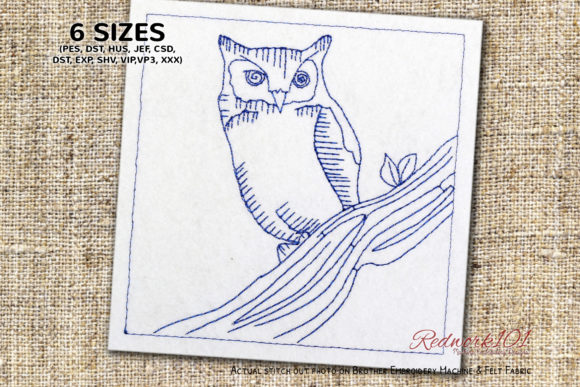
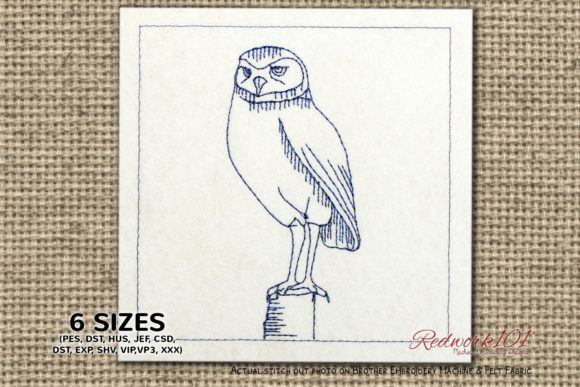
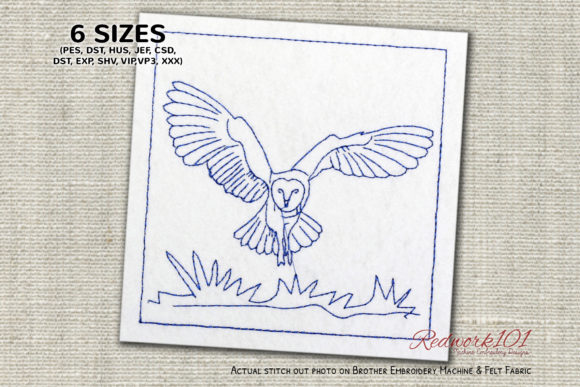
The immediate appeal of the Flying Barn Owls Redwork Design lies in its simplicity and elegance. Redwork, by definition, relies on single-color stitching to create outline-based art, which gives this design a rustic, handmade feel that is currently trending in boutique markets. The silhouette of barn owls in flight suggests freedom, grace, and a touch of whimsy. For a brand, this visual personality communicates approachability and artisanal quality. It does not scream "corporate"; instead, it whispers "craftsmanship." This makes it an excellent choice for handmade brands, Etsy sellers, and creative studios looking to add a layer of warmth to their product line.
The description notes that the Box Stitch shown in promotional pictures is optional. This is a crucial detail for us as designers. It means the core asset is versatile. We can strip away the border for a cleaner, modern look or keep it for a traditional, patch-like aesthetic. The fact that the outer box color is often different or skippable allows for greater flexibility in thread color matching, ensuring the design integrates seamlessly into various colorways without clashing.
Real-World Business Applications
When evaluating a digital embroidery file for commercial use, I always ask: where does this live on a product? The Flying Barn Owls Redwork Design shines in several specific areas of small business merch.
- Embroidered Patches: This is perhaps the strongest use case. The bold outlines of redwork hold up exceptionally well when cut and merrowed or satin-stitched around the edges. A patch featuring these flying owls could be sold as a standalone accessory or used to brand tote bags and jackets.
- Apron Embroidery: For bakeries, florists, or craft studios, staff uniforms are walking billboards. Placing this design on the chest pocket or lower corner of an apron adds a professional yet personal touch. The single-color nature of redwork keeps production costs low while maintaining high visual impact.
- Tote Bag Design: Canvas bags are a staple for eco-conscious brands. The Flying Barn Owls Redwork Design provides a striking contrast against natural beige or white canvas. It serves as a subtle brand mark that customers will actually want to wear, increasing brand visibility in public spaces.
- Cap Embroidery: While possible, this requires careful placement. The curved surface of a cap front can distort wide designs. However, if the owl silhouette is compact, it works beautifully as a side-panel accent or a small center-chest logo on dad hats, appealing to a younger, trend-focused demographic.
Technical Considerations for Production
While the aesthetic is strong, we must address the technical realities of commercial embroidery. Redwork designs are generally lower in stitch density compared to fill-heavy logos. This is a double-edged sword. On one hand, it reduces thread usage and production time. On the other, it offers less coverage, meaning the fabric texture shows through more prominently.
You must test this design on your specific fabric. On smooth cotton or poly-blends, the lines will be crisp and clean. However, on textured fabrics like heavy wool or rough canvas, the single-line stitches might get lost in the weave. In such cases, increasing the stitch width slightly or using a thicker thread weight could help maintain visibility. Additionally, because there is minimal fill, proper stabilizer selection is non-negotiable. A cut-away stabilizer is often safer for garments that will undergo frequent washing, preventing the fabric from puckering around the stitch lines over time.
Another critical factor is scale. Before committing to a large run, embroider a test sample at the smallest size you intend to sell. Fine details in the owl’s wings or face may merge if the design is scaled down too far. Always verify the hoop size compatibility with your machine. Since the box stitch is optional, ensure you have the correct file version loaded if you intend to include or exclude it, as this changes the overall dimensions significantly.
Enhancing Brand Identity and Trust
Why choose this specific design over a generic clipart conversion? Consistency. When a customer sees the same high-quality Flying Barn Owls Redwork Design on your packaging, your website’s printable mockup, and the actual physical product, it builds trust. It signals that you care about the details. For small businesses, this attention to detail differentiates you from mass-produced competitors. The design acts as a seal of quality, reinforcing the perception of a premium, handmade product.
Moreover, the versatility of the design allows for seasonal adaptations. By simply changing the thread color—perhaps to deep green for winter or bright orange for autumn—you can refresh your merchandise lineup without needing new digitizing work. This agility is vital for keeping customer engagement high throughout the year.
Designer Notes for Best Results
- Test in Black and White First: Before investing in colored threads, stitch out the design in black thread on white fabric. This reveals any spacing issues or jagged lines that might be hidden by color choices.
- Check Thread Contrast: Ensure your chosen thread color contrasts sufficiently with the garment. Redwork relies entirely on line visibility; low contrast will make the design disappear from a distance.
- Verify Commercial Licensing: Always confirm the license terms included with the embroidery file. Ensure you have the rights to use the finished product for sale, especially if you are producing items for clients or selling branded merchandise.
- Create Client Mockups: If you are offering this as a custom service, create a digital mockup showing the design on various items. This helps clients visualize the end result and reduces approval time.
- Inspect Spacing: Look closely at the connection points between the owl’s wings and body. Ensure there are no excessive jumps or loose threads that could compromise durability during wear and wash cycles.
In conclusion, the Flying Barn Owls Redwork Design is a robust asset for any embroidery professional’s library. It balances artistic charm with practical producibility. Whether you are outfitting a local café’s staff, creating branded gifts for a boutique, or expanding your Etsy shop’s inventory, this design offers the flexibility and professional finish required for successful small business merch. By paying attention to fabric choice, stabilizer, and scale, you can transform this digital file into a tangible element of your brand’s story.