Heart Template: A Designer’s Review for Valentine Projects
As an embroidery designer who has spent years digitizing files and testing them on everything from stiff denim to slippery satin, I approach every new machine embroidery design with a mix of curiosity and skepticism. We have all seen the generic hearts that look more like lumpy potatoes once they hit the fabric. So, when I pulled up the Heart Template for evaluation, my primary question was not just about aesthetics, but about utility. Does this design hold up under the needle? More importantly, does it offer enough versatility to justify its place in a professional craft business library?
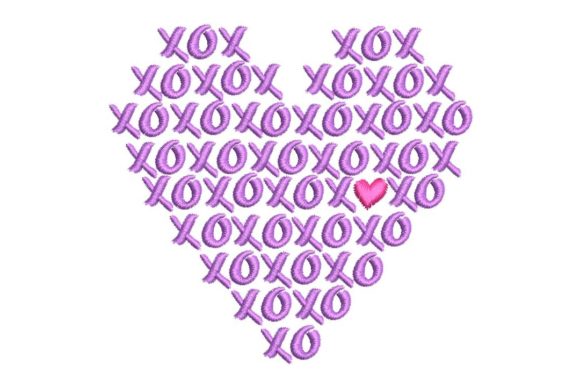
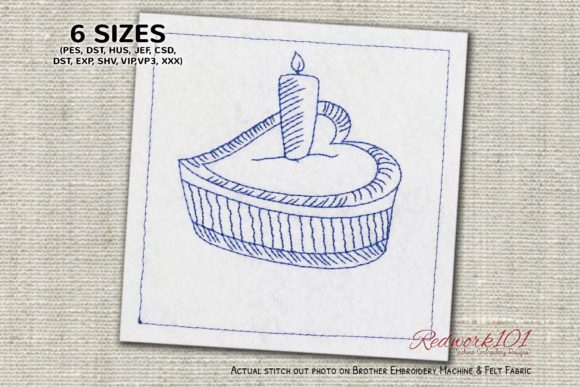
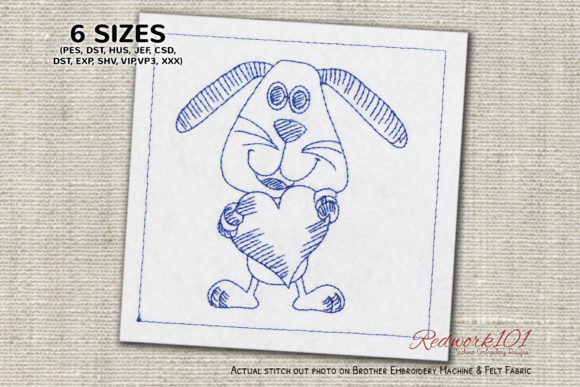
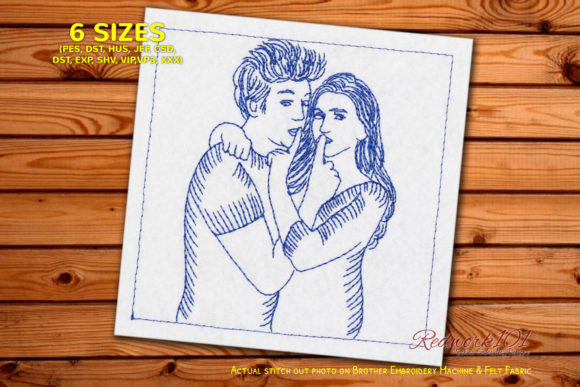
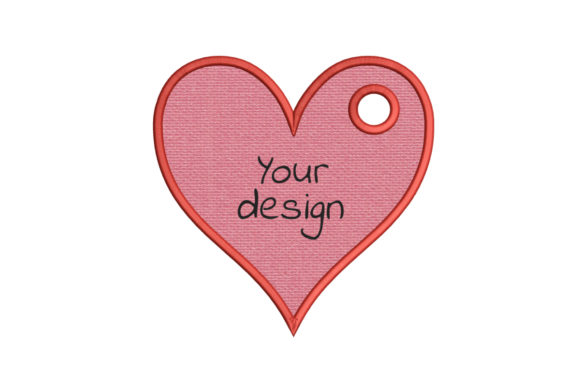
The premise is deceptively simple. The Heart Template is designed as a framework—a border or outline intended to house other elements. It is marketed heavily toward Valentine S Day souvenirs, which makes sense given the shape, but limiting it to February 14th would be a mistake. In my view, this is a foundational embroidery file that serves as a container for creativity. It allows you to place text, monograms, small motifs, or even complex applique design work inside a clean, recognizable boundary.
First Impressions and Visual Personality
Upon loading the design into my editing software, the first thing I noticed was the balance of the curve. Many heart shapes suffer from asymmetry or awkward points at the bottom cleft. This template, however, presents a symmetrical, smooth silhouette. The mood it creates is one of classic romance rather than trendy abstraction. It feels timeless, which is crucial for products that need to remain relevant beyond a single holiday season.
The visual personality is neutral enough to adapt to various styles. If you pair it with a delicate script font and pastel thread colors, it becomes soft and nursery-appropriate. Swap those for bold, blocky lettering and high-contrast threads, and it transforms into a modern statement piece for a tote bag or cap. This adaptability is what separates a usable asset from a novelty item.
Real-World Application: The Custom Tote Test
To truly evaluate the Heart Template, I decided to simulate a real client project. Imagine a local boutique owner asking for a line of reusable shopping bags for their spring collection. They want something that says "love" without being overtly romantic—something that works for self-care as much as for gifting.
I placed the Heart Template on a canvas tote mockup. Inside the heart, I inserted a simple botanical line art element. The result was striking. The heart acted as a frame, drawing the eye directly to the central motif. Without the template, the botanical design might have felt lost on the large surface area of the bag. With it, the composition felt intentional and branded. This is where the design shines: it provides structure. For an Etsy seller or small shop product creator, having a consistent frame like this helps build brand recognition. Customers begin to associate that specific heart shape with your quality and style.
Beyond tote bags, I see this working exceptionally well for sweatshirt embroidery. Placed on the left chest, it offers a subtle yet polished look. For baby embroidery, such as onesies or burp cloths, the template can enclose a birth date or name, creating a cherished keepsake. The key here is scale. Because the description mentions multiple versions, selecting the correct size for the garment is vital. A heart that is too large on a baby cap will distort; one that is too small on a pillow cover will get lost in the texture.
Technical Considerations for Stitching
Let’s talk about the mechanics. Since this is a template, the stitch type of the border matters immensely. If the heart outline uses a heavy satin stitch, it will have a raised, glossy finish that pops against matte fabrics. However, satin stitches can be problematic on stretchy materials if the density is too high. If the design utilizes a running stitch or a lighter fill, it will lay flatter and be less likely to cause puckering.
I always advise checking the stitch density before running a full production batch. High density looks luxurious on thick towels or denim but can perforate thin cottons or silks. For custom apparel made from lightweight tees, you must use a high-quality cut-away stabilizer to support the design. Without proper stabilization, the weight of the thread can pull the fabric, distorting the perfect symmetry of the heart.
Another critical factor is the interior space. The description notes that "any beautiful embroidery can be embroidered inside the heart." This implies the border is open. When adding internal elements, ensure there is adequate clearance between the inner edge of the heart and your new design. Overlapping stitches can cause thread breaks and messy finishes. Always run a test stitch-out on scrap fabric of the same weight and texture as your final product. This step saves time, thread, and frustration.
Navigating Fabric and Hoop Constraints
Not every project is a flat piece of cotton. If you are planning to use this on curved surfaces like caps or hats, you need to be mindful of the hoop size and the design’s dimensions. Large, wide hearts may not fit standard cap frames without resizing, which could compromise the stitch integrity. Similarly, on textured fabrics like terry cloth or fleece, fine details inside the heart might get swallowed by the pile. In these cases, opting for bolder internal designs or using an applique technique within the template can enhance visibility.
Dark fabrics present another challenge. If the heart outline is stitched in a color too similar to the fabric, the definition disappears. Always check your design in black and white mockups to ensure contrast. For dark garments, consider using a metallic or bright white thread for the heart border to make it stand out as a distinct design asset.
Commercial Viability and Licensing
For those running a craft business, the commercial potential of the Heart Template is significant. It fits seamlessly into holiday embroidery collections for Valentine S Day, but also extends to wedding gifts, anniversaries, and general love-themed decor. It enhances the perceived value of a personalized gift by adding a layer of professional framing to custom text.
However, before selling finished items or digital products featuring this design, you must verify the license terms. The provided description states it comes with "multiple embr" (likely implying multiple embroidery formats or sizes), but it does not explicitly detail the license scope. Does it allow for unlimited physical sales? Can you use it in digital printable mockups? These are questions you must answer by consulting the seller’s full documentation. Never assume a digital embroidery file is free for commercial use without written confirmation.
Final Verdict
The Heart Template is a practical, versatile tool for any embroidery professional’s toolkit. It is not just a shape; it is a compositional aid that elevates simple designs into cohesive embroidery projects. Whether you are creating an embroidered patch for a jacket, a tote bag design for a market stall, or a delicate piece of home decor, this template provides the structure needed for a polished finished product. Just remember to respect the technical limits of your machine and fabric, and always prioritize proper stabilization. With careful execution, this design can become a staple in your seasonal and year-round offerings.