Review: Echeveria Derenbergii Succulent Redwork for Sweatshirts
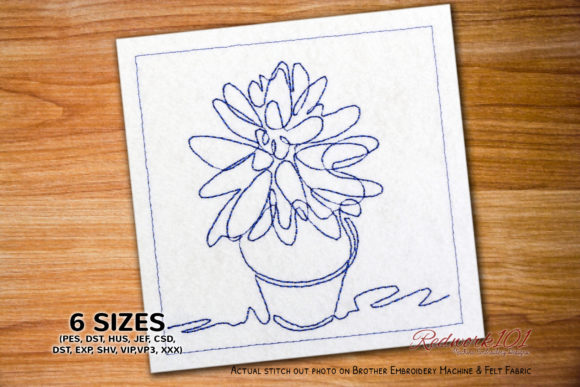
As an embroidery designer who has spent years digitizing and testing designs for small boutique brands, I know that the difference between a garment that sells out and one that gathers dust often comes down to the artwork choice. Recently, I evaluated Echeveria Derenbergii Succulent Redwork for a potential limited-edition sweatshirt drop. This piece falls under the Single Flowers category, but do not let that simple classification fool you. The complexity of succulent textures requires a delicate touch, especially when translating botanical beauty into thread.
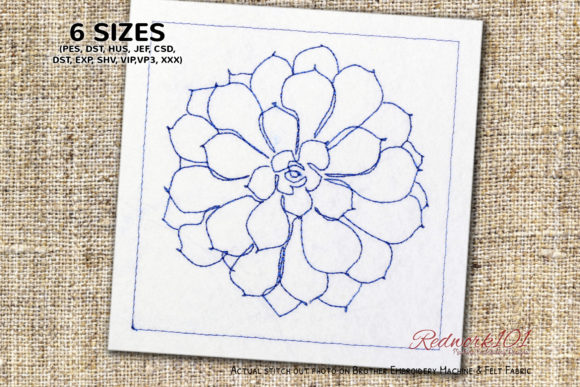
The premise of this project was straightforward: create a premium, cozy aesthetic for a small online shop targeting customers who appreciate slow fashion and nature-inspired motifs. When I first loaded the machine embroidery design into my software, my immediate impression was one of understated elegance. The redwork style, traditionally associated with monochromatic stitching, offers a vintage, rustic charm that pairs exceptionally well with modern apparel silhouettes. However, the inclusion of color variations in the outer box adds a contemporary twist that prevents the design from feeling too traditional or dated.
Visual Impact on Premium Apparel
When considering how Echeveria Derenbergii Succulent Redwork translates to fabric, context is everything. For this review, I visualized the design on various garment bases. On neutral sweatshirts, such as oatmeal, heather grey, or soft beige, the design pops with a sophisticated clarity. The contrast allows the intricate leaf structures of the Echeveria to stand out without overwhelming the viewer. It feels minimal yet decorative, striking a balance that is highly sought after in current fashion trends.
On dark fabrics like charcoal or navy, the design takes on a more subtle, tonal quality. Here, the choice of thread colors becomes critical. If the redwork utilizes a high-contrast thread, it becomes a bold statement piece. If it uses a tonal thread, it becomes a textural accent, visible only upon closer inspection. This versatility makes it an excellent candidate for a diverse boutique brand collection. For pastel colors, the design feels feminine and playful, perfect for spring launches. The optional Box Stitch mentioned in the product description adds a framed, curated look, enhancing the perception of the finished product as a high-value item rather than a mass-produced commodity.
Placement Strategies for Hoodies and Sweatshirts
One of the most common questions I receive from Etsy sellers and apparel decorators is where to place floral designs for maximum impact. For Echeveria Derenbergii Succulent Redwork, I recommend several strategic placements. The classic left-chest position on a hoodie works beautifully for a subtle, branded look. It suggests quality and attention to detail without being loud. This placement is ideal for customers who prefer minimalist aesthetics.
However, do not shy away from larger applications. An oversized back print can turn a simple hoodie into a statement jacket. Because this is a Single Flowers design, scaling it up requires careful attention to stitch density. If the density is too high for a large scale, the fabric may pucker. Conversely, if scaled down for a sleeve accent or cuff detail, the fine details of the succulent leaves must remain readable. I found that this design maintains its integrity well at smaller sizes, making it versatile for sleeve accents or even pocket embellishments.
Technical Considerations for Commercial Production
From a technical standpoint, producing Echeveria Derenbergii Succulent Redwork for commercial use requires precision. The product description notes that the Box Stitch is optional and that the outer box color varies. This flexibility is a double-edged sword. It allows for customization but demands that the producer carefully select thread palettes that complement the specific garment color. For a cohesive small shop product line, I advise sticking to a defined color story to maintain brand identity.
Fabric texture plays a significant role in the final outcome. Sweatshirts and hoodies are typically made from fleece or French terry, which have a distinct pile. The embroidery file must be optimized to sink slightly into the fabric or sit atop it cleanly, depending on the desired effect. Using the correct stabilizer is non-negotiable. A cut-away stabilizer is generally recommended for knit fabrics to prevent distortion during washing and wear. Without proper stabilization, the crisp lines of the redwork could blur, diminishing the premium feel of the custom apparel.
Another concern is wash durability. Customers expect their handmade products to last. The stitch structure of this design appears robust, but testers should always run wash tests on sample garments. Ensure that the thread tension is balanced to prevent looping or breaking after multiple cycles. This step builds buyer trust and reduces return rates, which is crucial for growing a sustainable business.
Enhancing Brand Value and Customer Engagement
Incorporating Echeveria Derenbergii Succulent Redwork into your lineup does more than just add a pretty picture to a shirt; it enhances your brand narrative. Botanical themes resonate with consumers looking for connection to nature and tranquility. By offering this design on high-quality blanks, you signal that your handmade product is crafted with care. This perception of value allows for higher price points and better margins.
For digital sellers and those creating printable mockup assets, this design offers excellent visual appeal. The clean lines and organic shapes photograph well, making it easier to create compelling social media content. High-quality images of the embroidered texture can drive engagement and convert browsers into buyers. Whether you are selling the digital embroidery file itself or the finished garment, the aesthetic versatility of this succulent design supports strong marketing efforts.
It is important to note that while the description provides valuable insights about the optional box and color variations, it does not specify exact stitch counts, file formats, or hoop sizes. As a professional, I always remind fellow designers to verify these technical specs before committing to production. Knowing the hoop size requirements ensures you have the right equipment, and understanding the file format compatibility prevents technical headaches during the digitizing or loading process.
Final Verdict for Designers and Makers
Echeveria Derenbergii Succulent Redwork is a strong contender for any commercial embroidery project focused on lifestyle and comfort wear. It bridges the gap between rustic charm and modern minimalism. Its adaptability across different fabric colors and garment styles makes it a versatile asset for any design assets library. For the Etsy seller or boutique owner, it offers a unique selling proposition that stands out in a crowded market of generic graphics.
By paying attention to thread contrast, stabilizer choice, and placement, you can elevate this design from a simple pattern to a signature element of your brand. It invites the wearer to appreciate the quiet beauty of nature, stitched permanently into their daily comfort. If you are looking to expand your Single Flowers collection with something that feels both timeless and trendy, this succulent design is worth the investment. Just remember to test thoroughly and customize the box elements to align perfectly with your specific brand palette.