Reviewing Easter Egg House for Boutique Apparel
As an embroidery designer who spends countless hours digitizing and testing files for boutique collections, I approach every new machine embroidery design with a critical eye. It is not just about whether the image looks cute on a screen; it is about how that design translates to fabric, how it withstands washing, and ultimately, how it elevates the perceived value of a finished product. Recently, I explored the Easter Egg House file available on Creative Fabrica, specifically evaluating its potential for my upcoming spring apparel line. This review breaks down the aesthetic appeal, technical considerations, and commercial viability of this design for serious Etsy sellers and small clothing brands.
Visual Personality and Design Mood
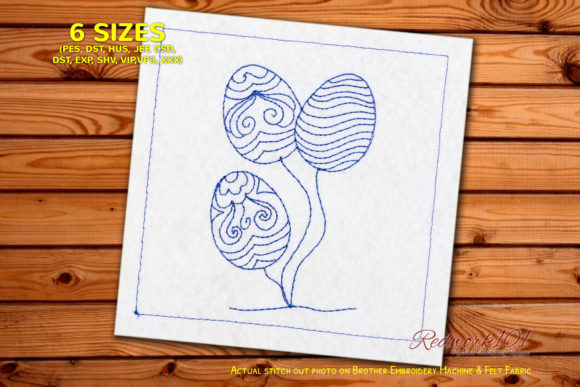
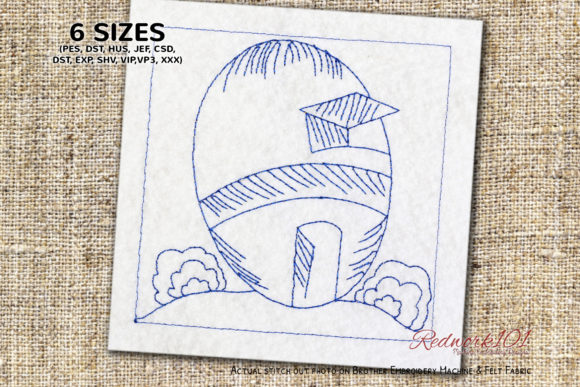
The first impression of Easter Egg House is one of whimsical charm mixed with structural simplicity. The design features a stylized house motif integrated with egg shapes, creating a narrative that feels both playful and seasonal without being overly juvenile. For a boutique brand, striking this balance is crucial. You want a design that appeals to adults looking for cozy, festive wear, not just children’s clothing. The visual personality leans towards "cute but curated," making it suitable for modern, minimalist aesthetics as well as more traditional rustic styles.
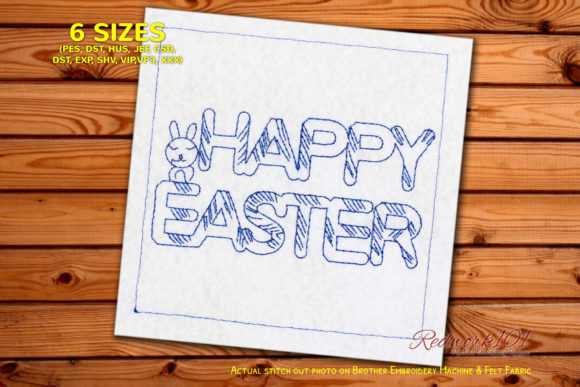
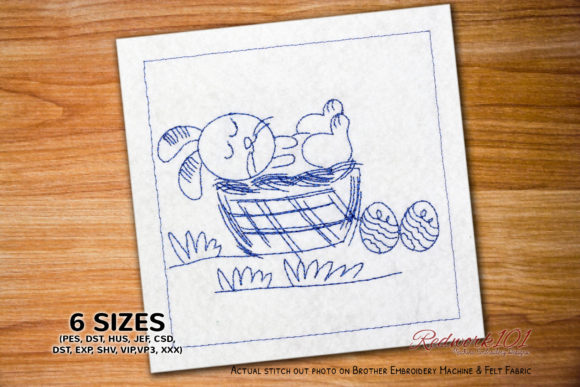
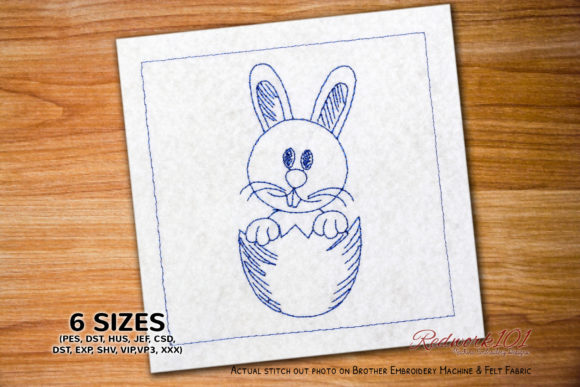
One specific detail noted in the product description is that the Box Stitch shown in promotional pictures is optional. Furthermore, the color of the outer box often differs from the main design unless it is integral to the pattern. This flexibility is a significant advantage for custom apparel. It allows us, as designers, to skip unnecessary color stops or simplify the look for a cleaner, more premium finish. This adaptability means the design can shift from a bold, multi-colored statement piece to a subtle, monochromatic accent depending on your thread choices.
Performance on Sweatshirts and Hoodies
When planning a sweatshirt embroidery collection, fabric texture is paramount. I tested the concept of placing Easter Egg House on neutral-toned sweatshirts and pastel hoodies. On fleece-backed garments, the design holds up well, provided the stitch density is appropriate for the fabric weight. For hoodie chest placements, the compact nature of the house motif works beautifully. It does not overwhelm the garment, allowing the softness of the fabric to remain the focal point while the embroidery adds a touch of artisanal quality.
For oversized garments, which are currently trending, I recommend considering sleeve accents or lower-back placements. A small, precise embroidery on the cuff or shoulder can make a handmade product feel exclusive. However, caution is needed with curved surfaces like sleeves. Ensure your hoop size accommodates the curve without distorting the design. The structural lines of the house in Easter Egg House must remain straight; any pull or distortion will detract from the professional presentation.
Versatility Across Product Lines
Beyond hoodies, this design shows promise for t-shirt embroidery and tote bags. On cotton t-shirts, the contrast between the thread and the fabric texture becomes more apparent. Using high-quality rayon or polyester threads can enhance the sheen, making the design pop against matte cotton. For tote bags, which often endure heavier use, the durability of the stitch path is key. The design’s closed shapes and solid fills suggest good longevity, but always test on scrap fabric first to ensure no puckering occurs.
For denim jackets, the rugged texture provides an interesting backdrop for the smooth stitches of the embroidery. Here, using thicker threads or even metallic accents could elevate the design from casual to trendy. When creating lifestyle product photos or printable mockups for your online shop, remember that lighting plays a huge role in showcasing the dimensionality of the stitches. A well-lit photo of Easter Egg House on a dark garment can highlight the thread colors and stitch definition, boosting buyer trust and engagement.
Technical Considerations for Production
Before adding any digital embroidery file to your production queue, technical due diligence is non-negotiable. While the product description for Easter Egg House mentions the optional box stitch and color variations, it does not specify exact stitch counts, recommended hoop sizes, or file formats. As a professional, you must confirm these details before selling finished apparel. Download the sample or check the included documentation to ensure compatibility with your machine.
Stabilizer choice is critical, especially for stretchy fabrics like ribbed cuffs or lightweight jersey. A cut-away stabilizer is generally safer for garments that will be washed frequently, preventing the design from pulling out of shape. Additionally, review the stitch density. If the design is too dense for thin fabric, it may cause stiffness or tearing. Always run a test stitch-out on a similar garment fabric to inspect tension and registration.
Enhancing Brand Identity and Value
Incorporating unique designs like Easter Egg House into your boutique brand helps establish visual consistency. Customers begin to recognize your signature style, whether it is playful, feminine, or rustic. This recognition builds brand identity and fosters customer loyalty. When buyers see a well-executed embroidery on a high-quality garment, they perceive higher value, justifying a premium price point. It transforms a basic sweatshirt into a collectible item.
For commercial embroidery projects, licensing is a vital checkpoint. Creative Fabrica typically offers licenses for physical products, but you must read the specific terms associated with this download. Ensuring you have the right to sell items made with this embroidery file protects your business from legal issues and maintains professional integrity. Always keep records of your licenses for each design used in your small shop product lineup.
Final Designer Notes
To maximize the potential of Easter Egg House, consider the following practical steps:
- Test on Scrap Fabric: Never skip this step. Check for puckering, thread breaks, and color blending.
- Check Stabilizer Choice: Match the stabilizer to the fabric weight and stretch.
- Review Thread Color Contrast: Ensure the thread stands out appropriately against the garment color.
- Confirm Hoop Size: Verify the design fits within your machine’s maximum hoop area.
- Inspect Stitch Density: Adjust if necessary to prevent stiffness on lightweight fabrics.
- Compare Placement Options: Experiment with chest, sleeve, and back positions to find the most flattering look.
- Verify Licensing: Double-check Creative Fabrica product details and licensing terms before commercial sale.
In conclusion, Easter Egg House offers a versatile and charming option for spring-themed apparel. Its adaptable design allows for creative interpretation through thread colors and placement, making it a valuable asset for embroidery shops and creative entrepreneurs. By paying attention to technical details and fabric compatibility, you can produce high-quality, commercially viable pieces that resonate with customers seeking unique, handmade-style fashion.