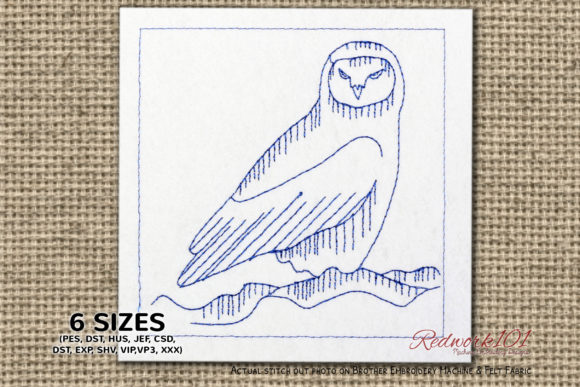
Reviewing Snowy Owl Sitting on the Snow Redwork
As an embroidery designer who has spent years refining digitizing techniques for boutique apparel, I approach every new machine embroidery design with a critical eye. It is not just about whether the file runs smoothly; it is about how that design translates into a tangible, sellable product. Recently, I evaluated Snowy Owl Sitting on the Snow Redwork for a potential addition to a limited-edition winter sweatshirt collection. This review breaks down the aesthetic appeal, technical considerations, and commercial viability of this piece for small clothing brands and independent creators.
First Impressions and Aesthetic Mood
The immediate impact of Snowy Owl Sitting on the Snow Redwork is one of understated elegance. Unlike complex, multi-colored photo-realistic designs, redwork relies on a single thread color to create depth through stitch direction and density. This particular design captures a serene winter moment, featuring a snowy owl perched calmly. The mood is distinctly rustic yet refined, making it an ideal candidate for brands that prioritize minimalism and natural themes.
For a boutique brand, this aesthetic is powerful. It does not scream for attention with neon threads or excessive saturation. Instead, it invites the viewer to look closer. The simplicity of the redwork style lends itself to a "handmade product" feel, even when produced on modern computerized machines. This aligns perfectly with the current consumer desire for authentic, cozy, and timeless apparel. Whether you are targeting a feminine demographic with pastel hoodies or a unisex audience with neutral tones, the design feels versatile enough to bridge those gaps without losing its identity.
Placement Strategies for Sweatshirts and Hoodies
When planning a sweatshirt embroidery project, placement is everything. I tested the visual balance of Snowy Owl Sitting on the Snow Redwork across several standard garment areas. For a classic look, left-chest placement on a crewneck sweatshirt works beautifully. The compact nature of the owl allows it to sit neatly above the heart area without overwhelming the fabric. This is a safe, high-selling option for any Etsy seller looking to expand their catalog.
However, for a more bold statement, consider placing the design on the upper back of an oversized hoodie. The negative space in redwork designs allows the fabric texture to show through, which prevents the back of the garment from feeling too heavy or stiff. I also experimented with sleeve accents. A smaller scale version of the owl on the cuff or upper sleeve adds a subtle detail that customers love, often serving as the deciding factor in a purchase. This kind of thoughtful detailing elevates a basic hoodie design into a premium piece of custom apparel.
Fabric and Color Considerations
The success of redwork depends heavily on contrast. Since the design uses a single thread color, your choice of thread colors against the fabric texture is crucial. On dark navy or charcoal sweatshirts, a crisp white or light gray thread makes the owl pop with striking clarity. Conversely, on cream or oatmeal-colored fabrics, a deep burgundy or forest green thread can create a sophisticated, vintage-inspired look. Avoid using thread colors that blend too closely with the base fabric, as the intricate details of the owl’s feathers may get lost.
It is important to note that the product description mentions an optional Box Stitch. In most designs, the color of the outer box is different unless it is part of the design itself. As a designer, I recommend skipping the box if you are aiming for a modern, floating aesthetic. Removing the border allows the owl to integrate more naturally with the garment, making it feel less like a patch and more like an intrinsic part of the finished product.
Technical Execution and Durability
From a technical standpoint, working with a digital embroidery file like this requires attention to stitch density. Redwork designs typically have lower density than fill-stitch designs, which is advantageous for thick sweatshirt materials. High-density stitches can cause puckering on heavy fleece, but the open nature of this owl design minimizes that risk. However, you must still use the correct stabilizer. A cut-away stabilizer is generally recommended for knit fabrics like sweatshirts to ensure the design remains stable after repeated washing.
Before running a full production batch, always check the specific hoop size requirements. While the description does not specify exact dimensions, ensuring the design fits within your standard hoop without resizing is vital to maintaining stitch integrity. Resizing redwork can sometimes distort the proportion of the lines, so it is best to use the file at its intended scale. Additionally, verify the file format compatibility with your machine to avoid conversion errors that could alter stitch paths.
Commercial Viability and Brand Identity
For small shop owners, the value of Snowy Owl Sitting on the Snow Redwork lies in its versatility and speed. Lower stitch counts mean faster production times, allowing you to fulfill orders more efficiently during the busy holiday season. This efficiency directly impacts your bottom line. Furthermore, the timeless nature of the owl motif ensures that the design will not feel outdated next year, making it a reliable staple in your design assets library.
Using this design in your marketing can significantly enhance buyer trust. High-quality printable mockup images showing the embroidery on various colored sweatshirts help customers visualize the small shop product in their own wardrobe. Highlighting the durability and the artisanal look of the redwork technique can justify a higher price point, positioning your brand as a provider of quality commercial embroidery rather than fast fashion.
In conclusion, Snowy Owl Sitting on the Snow Redwork is a strong contender for any winter-themed collection. It balances aesthetic charm with technical practicality. By carefully selecting thread contrasts, optimizing placement, and respecting the technical needs of the fabric, you can create a standout piece that resonates with customers seeking warmth, style, and authenticity. Remember to review all specific file details provided by the creator before finalizing your production setup to ensure the best possible outcome for your boutique brand.