Reviewing the Loving Couple Under an Umbrella Redwork Design
As a designer who has spent years digitizing and stitching thousands of patterns, I have learned that not all machine embroidery design files are created equal. Some look stunning on a screen but fail under the needle. Others are simple yet carry an emotional weight that resonates with customers. The Loving Couple Under an Umbrella Redwork falls into the latter category. It is a deceptively simple motif that relies on clean lines and negative space rather than dense fills or complex shading. When I first loaded this embroidery file into my software, I was struck by its minimalist charm. It does not shout for attention; instead, it invites a closer look.
First Impressions and Visual Mood
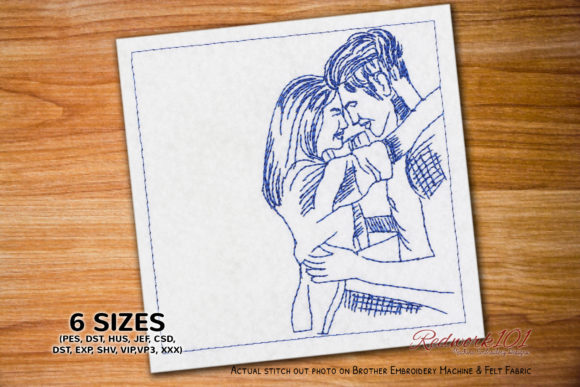
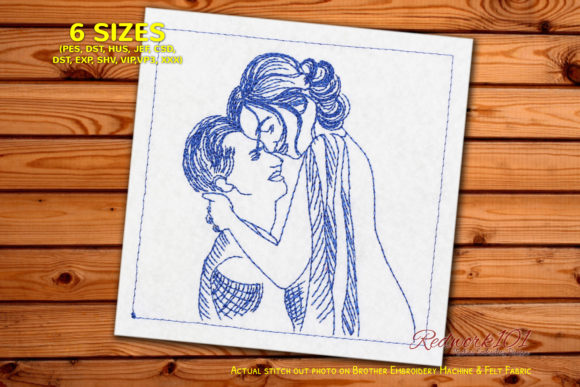
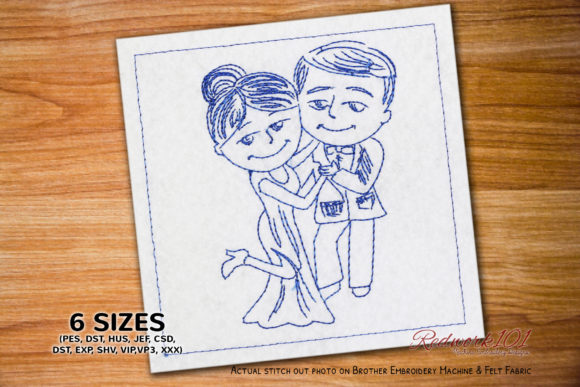
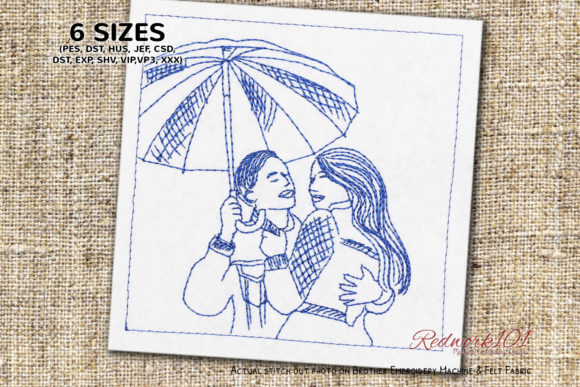
The immediate appeal of this design lies in its silhouette. The redwork style, traditionally executed in a single color thread on a neutral background, creates a classic, timeless aesthetic. The image of two figures sharing an umbrella suggests intimacy, protection, and shared journey. This is not just a graphic; it is a narrative. For a Valentine S Day project, this subtlety is often more effective than overt hearts and cupids. It feels mature and thoughtful.
The layout is balanced, with the curve of the umbrella providing a natural frame for the couple beneath. In terms of detail level, it is low to moderate, which is actually a strength for durability and stitch clarity. There are no tiny, fragile elements that are likely to break or get lost in the fabric texture. This makes it an ideal candidate for items that will see regular use, such as tote bags or daily-wear apparel.
Real-World Application: The Custom Tote Bag Test
To evaluate how this design performs in a real commercial setting, I decided to test it on a canvas tote bag. Canvas is a popular choice for Etsy seller shops and boutique markets because it is sturdy and provides a smooth surface for stitching. I chose a natural, unbleached cotton canvas and paired it with a deep crimson thread. The contrast was sharp and visually striking.
The stitching process was smooth. Because the design utilizes primarily running stitches and perhaps some light satin work depending on the specific digitization, there was minimal puckering. However, I did use a medium-weight cut-away stabilizer to ensure the fabric remained taut. The result was a crisp, professional-looking finished product. The design sat comfortably in the center of the bag, acting as a focal point without overwhelming the material. This kind of handmade product appeals to buyers looking for understated romance rather than flashy graphics.
Versatility Across Product Lines
Beyond tote bags, this embroidery project shows remarkable versatility. I can easily envision it on a high-quality linen tea towel, where the redwork tradition truly shines. It would also work well as a small chest emblem on a sweatshirt or a hoodie. For baby embroidery, scaling it down for a onesie or a burp cloth could create a sweet, gender-neutral gift option, provided the thread colors are softened to pastels or muted tones.
For those running a craft business, this design is a strong asset for seasonal collections. While it fits perfectly within the holiday embroidery theme for February, its universal theme of companionship allows it to be sold year-round for anniversaries, weddings, or engagement gifts. It serves as a reliable design asset that can be repurposed across multiple small shop product lines, from aprons to pillow covers.
Technical Considerations and Fabric Choices
While the design is robust, there are areas where caution is needed. The description notes that the "Box Stitch shown in the picture is optional" and that the outer box color may vary. This is a critical detail for any commercial embroidery professional. Before stitching, you must decide whether to include the border. If you choose to include it, ensure the thread color contrasts sufficiently with both the fabric and the inner design. If the box is part of the design itself, verify that the stitch density does not become too high in the corners, which can lead to thread breaks or fabric distortion.
When working with textured fabrics like terry cloth or heavy denim, the fine lines of a redwork design might get lost. In such cases, increasing the stitch width slightly or using a thicker thread weight can help maintain visibility. Conversely, on thin or stretchy fabrics like jersey knits, proper stabilization is non-negotiable. Without it, the running stitches may pucker the fabric, ruining the clean lines that define this style.
Curved surfaces, such as caps or hats, present another challenge. The umbrella’s arc needs to align with the curvature of the cap to avoid visual distortion. I recommend creating a printable mockup or testing on a scrap piece of similar fabric stretched in a cap frame before committing to a final custom apparel piece. This step saves time and materials, ensuring that the embroidered patch or direct stitch looks intentional and polished.
Enhancing Brand Value and Customer Trust
Using a well-executed design like this contributes significantly to brand consistency. Customers associate clean, precise stitching with quality. A sloppy or poorly digitized design can undermine trust, whereas a crisp redwork motif enhances the perceived value of the item. For digital product sellers, offering this as part of a bundle can attract hobbyists who appreciate simplicity and ease of stitching.
When presenting this design in your online store, use high-resolution images that show the texture of the thread against the fabric. Highlight the emotional connection of the imagery. Buyers are not just purchasing an applique design or a stitched pattern; they are buying a sentiment. Whether it is a personalized gift for a partner or a decorative element for a home, the story behind the design drives engagement.
Practical Designer Notes for Best Results
- Test on Scrap Fabric: Always run a test stitch-out on the same type of fabric you plan to use for the final product. This helps you adjust tension and stabilizer choices.
- Check Thread Contrast: Redwork relies on contrast. Ensure your thread color stands out against the background. Dark threads on dark fabrics will disappear.
- Review Stitch Density: Although redwork is generally light, check if any areas have accumulated too many stitches, especially if the optional box is included.
- Confirm Hoop Size: Verify that the design fits within your machine’s hoop capabilities. If resizing, do so in small increments to avoid distorting the proportions.
- Inspect Small Details: Zoom in on the digital file to check for any stray stitches or overlapping paths that could cause threading issues.
- Licensing Check: Before selling finished items or distributing the digital embroidery file, confirm the license terms. Ensure you have the right to use the design for commercial purposes if you are an Etsy seller or boutique owner.
In conclusion, the Loving Couple Under an Umbrella Redwork is a versatile and emotionally resonant addition to any designer’s library. It bridges the gap between traditional craftsmanship and modern minimalism. By paying attention to fabric choice, stabilization, and thread selection, you can transform this simple embroidery file into a high-value product that customers will cherish. It is a reminder that in Embroidery, sometimes less is indeed more.