Stroller Embroidery Design: A Designer’s Practical Review
When I first pulled up the Stroller machine embroidery design on my screen, I wasn’t looking for flashiness. I was looking for clarity. As a designer who spends half my life digitizing and the other half stitching out test runs for clients, I have learned that the most successful designs are often the ones that communicate their theme instantly without requiring a magnifying glass to appreciate the detail. This particular file, categorized under Nursery and Embroidery themes, immediately struck me as a strong candidate for personalized baby items and boutique-style gifts. But does it hold up under the needle? Let’s break down how this design performs in real-world applications.
First Impressions and Visual Personality
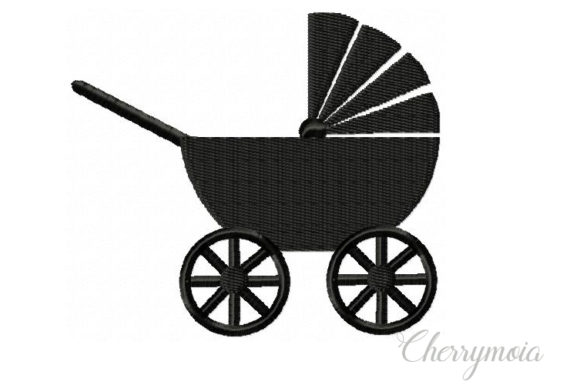
The mood of the Stroller design is gentle yet structured. It avoids the overly cartoonish traps that many nursery-themed files fall into, opting instead for a cleaner silhouette that reads well from a distance. The layout feels balanced, with a visual weight that suggests it would sit comfortably on a variety of garments without pulling the fabric or looking disproportionately large. For an Etsy seller or small shop owner, this visual restraint is crucial. It allows the embroidery to serve as a focal point without overwhelming the base product, whether that is a soft muslin swaddle or a sturdy canvas tote.
I appreciated the apparent thought put into the stitch paths. While I cannot verify the exact stitch count without opening the file in my editing software, the preview suggests a thoughtful mix of satin stitch borders and fill stitch interiors. This combination is vital for creating texture contrast. A design that is all fill can look flat and heavy, while one that is all running stitch may lack presence. The Stroller design appears to strike a middle ground, offering enough density to feel premium but not so much that it risks puckering delicate fabrics.
Real-World Application: The Custom Tote Test
To truly evaluate a design, you have to imagine it on a finished product. I recently worked on a custom order for a new mother who wanted a set of personalized items for her baby shower. The centerpiece was a natural cotton tote bag intended for diaper duty. I chose the Stroller design for this project because its horizontal orientation complements the wide surface area of a tote bag perfectly.
During the stitching process, I noted how the design handled the transition between different thread colors. The definition between the wheels, the handle, and the canopy was sharp. This clarity is essential for customer trust. When a buyer receives a handmade product, they are looking for professionalism. Blurry edges or thread pulls can make a gift look amateurish. With proper stabilizer usage, the Stroller design maintained its integrity, resulting in a crisp, clean image that elevated the perceived value of the simple cotton bag. It transformed a basic accessory into a cherished keepsake.
Fabric Considerations and Stitching Challenges
While the design is versatile, it is not without its limitations. As with any embroidery file, fabric choice plays a massive role in the final outcome. On stable, woven fabrics like denim, twill, or high-quality cotton, the Stroller design shines. The stitches lay flat, and the details remain distinct. However, caution is advised when working with stretchy knits or very thin materials.
If you are planning to use this on a sweatshirt or a baby onesie, the use of a cut-away stabilizer is non-negotiable. The density of the fill stitches, particularly in the larger solid areas of the stroller body, can cause lightweight fabrics to pucker if not properly supported. Additionally, I would advise against using this design on highly textured fabrics like terry cloth or thick fleece unless you are experienced with topping. The fine details might get lost in the pile, reducing the visual impact of the design.
Another critical point mentioned in the product description is resizing. The creator explicitly states that quality cannot be guaranteed when resizing or altering the design. I strongly second this advice. Machine embroidery designs are engineered with specific stitch densities and lengths for a particular size. Shrinking the Stroller design too much could cause the stitches to overlap excessively, leading to thread breaks and needle damage. Enlarging it could create gaps between stitches, exposing the fabric underneath and ruining the professional look. Always stitch out the design at its original intended size or within the recommended range provided by the digitizer.
Commercial Viability for Small Businesses
For craft business owners and digital product sellers, the commercial potential of the Stroller design is significant. Nursery items are evergreen sellers. Parents and gift-givers are always on the lookout for unique, high-quality personalized items. This design fits seamlessly into collections for baby showers, first birthdays, and welcome-home gifts.
From a branding perspective, the clean lines of the Stroller design allow for easy customization. You can pair it with elegant script fonts for names or dates without the overall composition becoming cluttered. This flexibility makes it a valuable asset for creating cohesive product lines. Whether you are selling embroidered patches, aprons for grandmothers, or holiday-themed decor, this design offers a neutral yet thematic element that appeals to a broad audience.
However, before listing finished products or digital embroidery files derived from this design, always confirm the licensing terms. Understanding whether you can sell physical items made with this file is crucial for maintaining ethical business practices and avoiding legal issues. Most reputable designers allow commercial use for finished physical goods, but restrictions often apply to reselling the digital file itself.
Practical Designer Notes for Best Results
To ensure the best possible outcome with the Stroller embroidery design, keep these practical tips in mind:
- Test on Scrap Fabric: Always run a test stitch on a similar fabric to your final project. This helps you identify any tension issues or registration errors before committing to the final piece.
- Check Thread Contrast: Use thread colors that provide sufficient contrast against your fabric. Dark threads on dark fabrics will hide the details, while light threads on light fabrics may lack definition. A mockup in black and white can help you assess value contrast.
- Use Proper Stabilizer: Match your stabilizer to your fabric. Woven fabrics often do well with tear-away stabilizers, while knits require cut-away support to prevent distortion.
- Inspect Small Details: Before starting the full run, check the smallest elements of the design. Ensure that tiny stitches are not too dense for your needle size, which can cause breakage.
- Respect Hoop Size: Confirm that your hoop size accommodates the design without needing to re-hoop, which can lead to alignment issues. The Stroller design likely fits standard medium hoops, but verify this against your machine’s capabilities.
In conclusion, the Stroller machine embroidery design is a solid, reliable choice for designers and makers focused on nursery and baby-themed projects. Its balanced composition, clear stitch definition, and versatile aesthetic make it a valuable addition to any digital library. By respecting the technical constraints regarding resizing and fabric choice, you can produce high-quality, professional-looking items that resonate with customers and enhance your brand’s reputation. It is a design that rewards careful preparation with beautiful, lasting results.