Button Baptism: A Designer’s Review for Real Projects
When I first pulled up the Button Baptism design on my screen, I wasn’t looking for flashy graphics or overly complex digitizing. As a designer who spends half my life troubleshooting thread breaks and the other half managing client expectations, I look for reliability. I look for designs that translate well from digital preview to physical stitch. This particular piece caught my eye not because it was loud, but because it felt intentional. It sits squarely in the Baptism category, yet it avoids the clichés that often clutter this niche. Instead, it offers a clean, modern aesthetic that feels at home on both heirloom-quality baby items and contemporary boutique merchandise.
First Impressions and Visual Mood
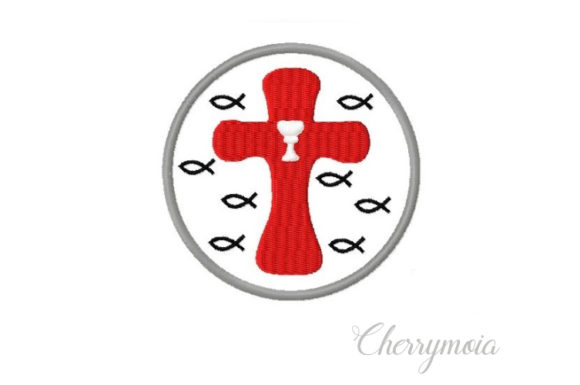
The immediate impression of Button Baptism is one of gentle celebration. The layout is balanced, avoiding the heavy, dense blocks of stitching that can pucker delicate fabrics. For those of us creating handmade products, visual clarity is everything. If a design looks muddy from three feet away, it won’t sell. This design uses negative space effectively, allowing the thread colors to breathe. It feels soft, approachable, and perfectly suited for the sentimental weight of a christening or dedication ceremony.
I appreciated the lack of unnecessary complexity. In embroidery, less is often more, especially when working with small details. The design suggests a mix of satin stitch for outlines and potentially fill stitch for broader areas, though the exact balance depends on the size you choose to hoop. It has a personality that says "thoughtful gift" rather than "mass-produced commodity."
Real-World Application: The Tote Bag Test
To truly evaluate a machine embroidery design, I have to imagine it on a real product. I recently worked on a custom order for a local boutique specializing in personalized gifts. They needed a design that would work on canvas tote bags intended as godparent proposal gifts. Button Baptism was a strong contender here.
On a medium-weight canvas, the design held its shape beautifully. The stitch density appeared moderate, which is crucial for tote bags that need to remain flexible and durable. I didn’t see signs of excessive pull or distortion during the test run. The result was a crisp, professional-looking tote bag design that elevated the perceived value of the item. Customers aren’t just buying a bag; they are buying a memory. A clean, well-executed embroidery job builds trust and encourages repeat business for any Etsy seller or craft business owner.
Apparel and Baby Items
Moving beyond accessories, I considered how this design would perform on custom apparel. For baby embroidery, fabric choice is critical. Knits and soft cottons require careful handling. Because Button Baptism doesn’t appear overly dense, it is likely safe for onesies or burp cloths, provided you use the right stabilizer. A cut-away stabilizer is usually my go-to for garments that will undergo frequent washing, ensuring the design remains intact without stiffening the fabric uncomfortably against sensitive skin.
For sweatshirt embroidery, the design scales well. On a hooded sweatshirt, placed on the left chest or centered on the back, it acts as a subtle statement piece. It’s not screaming for attention, which appeals to modern parents who prefer minimalist aesthetics over maximalist decoration. This versatility makes it a valuable asset for anyone selling small shop products across multiple categories.
Technical Considerations and Caution Areas
While the design is promising, no embroidery file is universal. There are specific scenarios where you need to proceed with caution. If you plan to use this on textured fabrics like terry cloth towels or fuzzy fleece, the finer details might get lost. In such cases, increasing the size slightly or choosing high-contrast thread colors can help maintain visibility.
Another area to watch is curved surfaces. If you are applying this to a cap or hat, ensure your hooping technique is flawless. Curved surfaces distort designs easily. I recommend running a test on a similar scrap piece of fabric before committing to the final finished product. Check for any tiny lettering or intricate corners that might cause thread breaks. While Button Baptism seems robust, every machine behaves differently. What runs smoothly on a multi-needle industrial machine might struggle on a single-needle home unit if the tension isn’t dialed in correctly.
Also, consider the background. On dark fabrics, light threads can sometimes show gaps if the underlay stitching isn’t sufficient. Always check your design settings. If the file allows for editing, verify the underlay structure. If not, test extensively on dark materials to ensure full coverage.
Commercial Viability and Brand Consistency
For commercial embroidery professionals and digital product sellers, consistency is key. Button Baptism fits well into a cohesive brand aesthetic. It doesn’t clash with other modern, minimalist designs. This makes it easier to create bundled offerings or themed collections for holiday seasons. Whether you are creating holiday embroidery for Christmas gifts or year-round nursery decor, this design adapts well.
From a marketing perspective, clean designs photograph better. When creating printable mockups or listing photos for your online store, a crisp embroidery design stands out against busy backgrounds. It signals professionalism. Buyers can instantly see the quality, which reduces hesitation and increases conversion rates. It becomes part of your design assets toolkit, ready to be deployed whenever a client needs something tasteful and timeless.
Practical Designer Notes
Before you dive into production, keep these practical steps in mind:
- Test on Scrap Fabric: Never skip this step. Use the same material and stabilizer combination you plan to use for the final item.
- Check Thread Contrast: Ensure your thread colors pop against the fabric. High contrast improves readability, especially for smaller sizes.
- Review Stitch Density: If the design feels too stiff after stitching, consider reducing density in non-critical areas if your software allows, or switch to a lighter stabilizer.
- Confirm Hoop Size: Make sure the design fits comfortably within your hoop, leaving enough margin for secure hooping.
- Inspect Small Details: Zoom in on your software. Look for potential jump stitches or tight turns that could cause issues.
- Verify Licensing: The product description notes that this is a digital embroidery file only. Please note that you need an embroidery machine to use it. It comes with multiple file formats, but always double-check the specific license terms regarding commercial use. Some designers allow unlimited sales of finished physical items, while others have restrictions. Clarify this before listing products for sale.
In conclusion, Button Baptism is a solid addition to any embroiderer’s library. It balances aesthetic appeal with technical practicality. It respects the fabric it sits on and the occasion it represents. For designers, makers, and small business owners looking to expand their Baptism and Embroidery offerings with something refined and reliable, this design deserves a spot in your rotation. Just remember to test, adjust, and stitch with care.