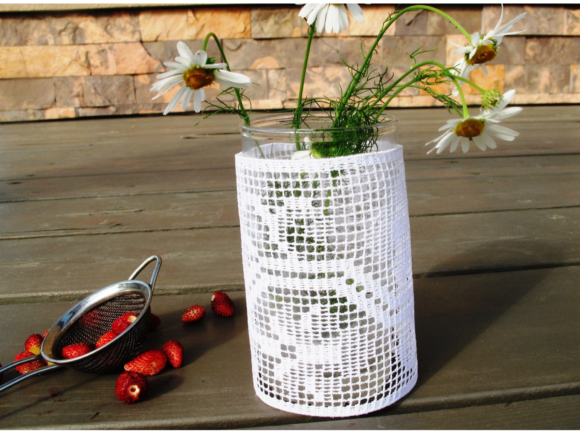
FSL Rectangle Lace: Elevating Boutique Apparel
As an embroidery designer who spends countless hours digitizing and testing files for boutique collections, I am always on the lookout for digital assets that bridge the gap between traditional craft and modern apparel. Recently, I came across FSL Rectangle Lace on Creative Fabrica, and while it is categorized under House and Embroidery, my immediate instinct was to look beyond its intended use as a doily or mug rug. The visual texture of this free-standing lace design offers a unique opportunity for apparel decorators and small clothing brands looking to add a touch of handmade elegance to sweatshirts, hoodies, and tote bags.
First Impressions: Visual Personality and Stitching Mood
The first thing that strikes you about this machine embroidery design is its resemblance to handmade filet crochet lace. In a market saturated with bold, graphic logos, there is a growing demand for subtle, textural details that feel premium and artisanal. This design carries a classic, feminine, and slightly rustic mood. It does not scream for attention; instead, it invites closer inspection. For a boutique brand, this kind of detail signals quality and thoughtfulness. The openwork structure of the lace creates a delicate balance between negative space and thread coverage, making it feel lightweight despite being a standalone embroidered piece.
When reviewing the stitch density and pattern flow, it appears well-suited for projects where you want to introduce a soft, decorative element without overwhelming the garment. Whether you are aiming for a vintage-inspired aesthetic or a modern minimalist look, the versatility of this lace pattern allows it to adapt to various style directions. It feels trendy yet timeless, a rare combination that appeals to a broad range of customers browsing Etsy listings or visiting local craft fairs.
Integrating FSL Lace into Sweatshirt and Hoodie Collections
Imagine preparing a small collection of neutral sweatshirts or pastel hoodies for your online shop. Adding a standard logo is safe, but incorporating FSL Rectangle Lace can transform a basic garment into a statement piece. Here is how I envision using this design in a real-world apparel scenario:
- Hoodie Chest Placement: Placing a smaller version of the lace rectangle on the left chest area of a heavyweight hoodie adds a sophisticated accent. It breaks up the solid color of the fabric and adds tactile interest.
- Sleeve Accents: For oversized garments, consider placing the lace design on the upper sleeve. This unexpected placement draws the eye and creates a custom, high-end feel that distinguishes your product from mass-produced alternatives.
- Back Designs: A larger iteration of the lace could serve as a central motif on the back of a crewneck sweatshirt. Paired with minimal typography, it creates a balanced composition that looks great in lifestyle product photos.
- Tote Bag Design: Beyond apparel, this design shines on canvas tote bags. The sturdy nature of canvas provides an excellent base for free-standing lace applications, especially if backed with a contrasting fabric to make the lace pop.
For dark apparel, such as charcoal or navy hoodies, using cream or gold thread colors can create a striking contrast that highlights the intricate details of the filet crochet look. On lighter fabrics, matching thread tones can create a subtle, tonal effect that feels understated and chic.
Practical Considerations for Apparel Decorators
While the aesthetic potential is high, applying a design originally intended for house decor to apparel requires careful technical planning. As an experienced designer, I advise checking several key factors before committing to production. Since this is a digital embroidery file meant for free-standing lace (FSL), it relies on water-soluble stabilizer to hold its shape during stitching. When applying this to stretchy fabrics like fleece or ribbed knits, stability is crucial.
You must test on scrap fabric that closely mimics your final garment material. Fleece, in particular, can be tricky due to its pile and stretch. Ensure your hoop size is appropriate for the placement you choose. If you are working with curved surfaces, such as the sleeve of a hoodie, extra care is needed to prevent puckering. Always review the stitch density in your software before loading the file onto your machine. If the design is too dense for the specific weight of your sweatshirt fabric, it may cause stiffness or distortion.
Additionally, consider the durability of the application. Free-standing lace is delicate by nature. For items that will undergo frequent washing, such as t-shirts and everyday hoodies, ensure that the lace is securely attached. Some designers choose to sandwich the FSL piece between layers of fabric or secure it with additional topstitching around the edges to enhance longevity. This step is vital for maintaining buyer trust and ensuring your finished product meets professional standards.
Enhancing Brand Identity and Commercial Value
Incorporating unique elements like FSL Rectangle Lace can significantly impact your brand identity. It moves your offerings away from generic print-on-demand styles toward true custom apparel. Customers often perceive handmade details as higher value, which can justify a higher price point for your small shop product. When you showcase these details in printable mockups or social media graphics, the texture of the lace translates well visually, encouraging engagement and clicks.
For Etsy sellers and creative entrepreneurs, consistency is key. Using this lace motif across different products—such as matching tote bags and hoodies—creates a cohesive collection. This visual consistency helps build brand recognition. When customers see that distinctive filet crochet look, they immediately associate it with your boutique. It becomes a signature element of your commercial embroidery line.
Designer Notes for Successful Implementation
Before you begin your next production run, keep these practical tips in mind:
- Confirm File Details: Always check the Creative Fabrica product page for specific file formats, hoop sizes, and stitch counts. The description mentions it looks like handmade filet crochet, but verify the technical specs to ensure compatibility with your machine.
- Licensing Check: Review the license terms provided with the download. Ensure that using the design on finished apparel for sale is permitted under the current agreement.
- Thread Color Contrast: Experiment with different thread colors on your actual garment fabric. What looks good on screen may behave differently in person. High-contrast threads highlight the pattern, while tonal threads emphasize texture.
- Stabilizer Choice: Use high-quality water-soluble stabilizer for the FSL process. For the final attachment to the garment, consider using a fusible web or fabric glue temporarily before sewing to ensure precise placement.
- Test Wash: Always wash and dry a test sample to check for any shrinkage or loosening of the lace. This step is critical for maintaining customer satisfaction and reducing returns.
By treating FSL Rectangle Lace not just as a home decor item but as a versatile design element for fashion, you open up new creative avenues for your business. It allows you to offer something truly unique in the crowded marketplace of sweatshirt embroidery and boutique apparel. With careful planning and attention to detail, this design can become a standout feature in your next collection, appealing to customers who appreciate the beauty of handmade craftsmanship in their everyday wear.