Review: Car Parked on Road Sketch for Craft Fairs
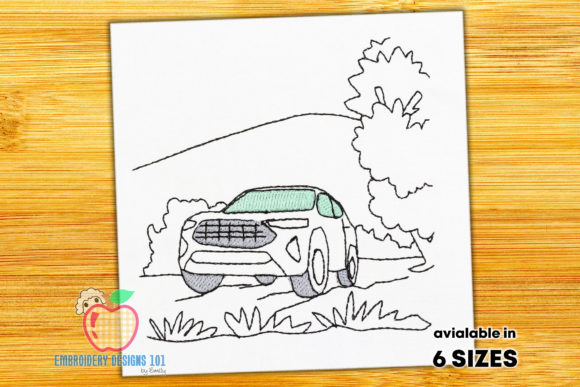
As an embroidery designer who has spent countless weekends standing behind booth tables, I have learned that not every design translates from the screen to the sales floor. When I first loaded the Car Parked on Road Sketch machine embroidery design into my software, I was looking for something that would stop a browser in their tracks. In the world of handmade products, visual clarity is currency. This particular design, categorized under Transportation, offers a charming, sketched aesthetic that feels both modern and nostalgic. It is not overly dense, which immediately caught my attention as a practical choice for high-volume craft fair production.
First Impressions and Aesthetic Appeal
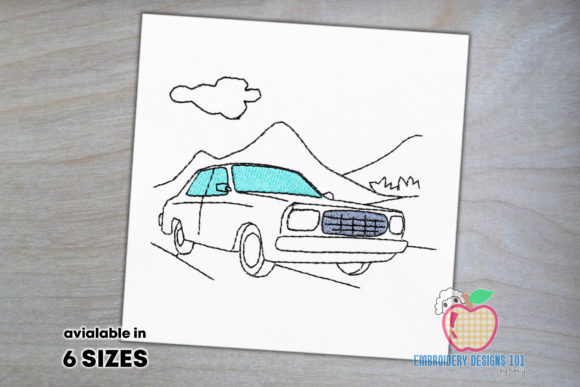
The title itself suggests a casual, artistic vibe rather than a rigid, technical blueprint. When evaluating a new digital embroidery file, I look for personality. Does it feel stiff, or does it have movement? The Car Parked on Road Sketch leans into a fun, easy-to-stitch style. It avoids the heavy, 100 percent filled areas that can make fabric pucker or become stiff. Instead, it likely utilizes open stitching or sketch-like lines that allow the fabric texture to show through. This is crucial for maintaining a premium, handmade feel. Customers at a market are often touching the items; if an embroidered car looks like a plastic patch glued on, it loses its charm. If it feels integrated into the textile, it sells.
Strategic Product Placement for Maximum Sales
Choosing the right canvas for this design is half the battle. Based on the description that these are not fully filled, this design shines on items where drape and softness matter. Here is how I would deploy this asset across a typical craft fair inventory:
- Tote Bag Design: This is arguably the best application. A canvas tote with a sketched car creates an instant narrative. It appeals to commuters, teachers, and anyone who appreciates automotive nostalgia. The open stitch work ensures the bag remains flexible and easy to fold.
- Apron Embroidery: For a kitchen or workshop apron, this design adds a touch of whimsy. It works well on denim or heavy cotton, providing a focal point without overwhelming the garment.
- Tea Towel Embroidery: Kitchen linens are impulse buys. A small, crisp version of the car sketch on a corner of a linen towel feels elegant and curated. It transforms a basic household item into a giftable handmade product.
- Embroidered Patch: If the design holds up at smaller sizes, turning it into an iron-on or sew-on patch allows customers to customize their own jackets or bags. This expands your reach beyond just finished goods.
- Caps and Hats: While curved surfaces are tricky, a simplified version of this sketch could work on the front panel of a dad hat. However, caution is needed regarding stitch density to prevent puckering on the structured front.
Production Practicality for Small Shop Owners
For any Etsy seller or boutique maker, time is money. The description notes that this is a "Quick Stitch" design. In a real-world scenario, this means faster hoop-up and hoop-down times. If you are preparing for a weekend market, being able to produce twenty units in the time it takes to stitch five dense designs is a massive advantage. The fact that it comes in multiple sizes is also a significant benefit. It allows for versatility without requiring you to purchase separate files for a mug rug versus a pillow cover.
However, "quick stitch" does not mean "no prep." As a professional, I always advise testing the design on scrap fabric first. Check the thread colors against your base material. A dark thread on a dark navy tote might get lost, while a contrasting color will make the sketch pop. Since the design is not 100 percent filled, ensure that the spacing between stitches is tight enough to look intentional but open enough to remain soft. This balance defines the quality of your finished product.
Navigating Technical Challenges
While the Car Parked on Road Sketch is user-friendly, there are careful-use notes every embroiderer should consider. First, evaluate the hoop size requirements. Ensure your machine can accommodate the largest size provided in the package. Second, consider the stabilizer. For lightweight fabrics like tea towels, a cut-away stabilizer might be too stiff, while a tear-away might leave residue in the open areas of the sketch. A medium-weight cut-away is often the safest bet for durability in commercial embroidery.
Another critical factor is fabric texture. On highly textured materials like waffle-weave towels, fine sketch lines can get lost. In such cases, increasing the stitch thickness or choosing a smoother fabric like cotton sateen will preserve the design's clarity. Also, be mindful of tiny details. If the car includes small wheels or windows, verify that they do not become tangled nests of thread at smaller scales. Simplifying the design for smaller applications may be necessary to maintain legibility.
Boosting Brand Consistency and Visual Appeal
Consistency builds trust. If your brand focuses on rustic, travel-themed, or vintage-inspired goods, this transportation-themed design fits seamlessly. It strengthens your booth display by offering a cohesive look across different product types. Imagine a table with a matching set: a tote with the car sketch, a pillow cover with the same motif, and a set of coasters. This cross-merchandising encourages larger purchases.
Furthermore, this design photographs beautifully for online listings. The sketch style tends to look clean and uncluttered in photos, which is essential for digital storefronts. Creating a printable mockup or using high-quality design assets to showcase the embroidery on various backgrounds can help potential buyers visualize the product in their homes. This visual appeal drives buyer engagement and reduces hesitation at the point of sale.
Final Verdict for Craft Entrepreneurs
The Car Parked on Road Sketch is a strong contender for any embroidery business looking to expand its transportation or lifestyle categories. It balances aesthetic charm with production efficiency. For small shop product lines, it offers the flexibility to be used on everything from large market bags to delicate accessories. Remember to check the specific license terms included with the embroidery file to confirm commercial usage rights before selling your items. By paying attention to fabric choice, stabilizer selection, and thread contrast, you can turn this simple sketch into a standout bestseller at your next craft fair. It is a reminder that sometimes, less is more, and a quick, clever stitch can speak volumes to the right customer.